Expert Forestry Mulching in Spokane & Surrounding Areas to Create a Fire-Safe Property
We clear hazardous overgrowth and turn it into a protective mulch layer—improving defensible space, property value, and peace of mind.
- Licensed & Insured
- Wildfire Mitigation Experts
- Local
- Trusted
What Is Gow Forestry?
Gow Forestry is a forestry mulching and wildfire mitigation company based in Green Bluff, Washington. We serve residential and rural landowners across the Inland Northwest. Owner-operator Kevin Gow provides on-site assessments, defensible space creation, lot clearing, and fuel reduction using professional mulching equipment that processes vegetation in a single pass.
What sets Gow Forestry apart is our single-pass approach. Our mulching heads grind standing brush, small trees, and debris into a ground-level mulch layer in one operation. There are no chipping crews, no burn piles, and no return trips. Kevin's hands-on knowledge of Spokane County soils, slope conditions, and seasonal fire behavior means every plan is site-specific — not templated.
Key Facts
- Serves 16 communities across 5 counties in Washington and Idaho — including Spokane and Coeur d'Alene
- 4 primary services: forestry mulching, defensible space, lot clearing, DNR cost-share assistance
- Washington DNR cost-share program can reimburse up to 50% of qualified wildfire mitigation treatments
- Direct contact: call Kevin Gow at (509) 991-8296 — Mon–Sat, 7 AM – 7 PM
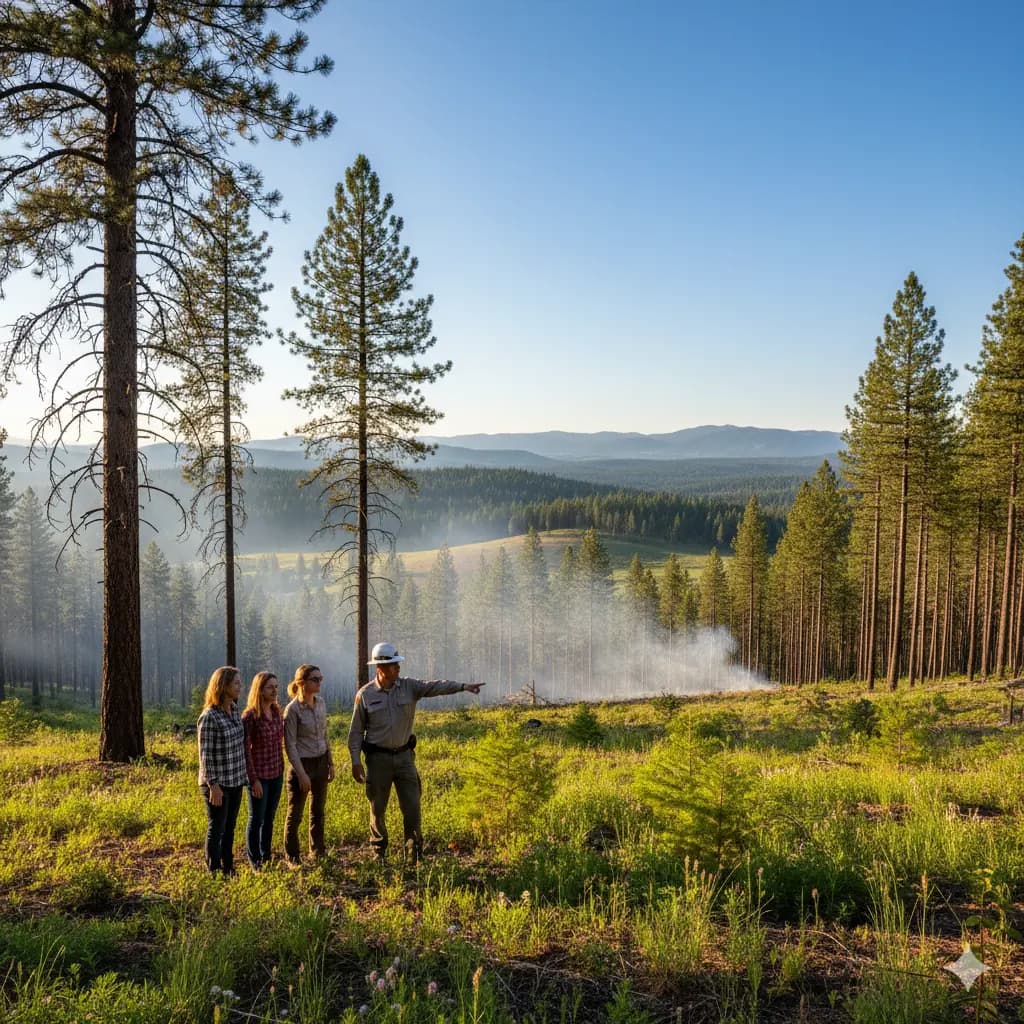
WA DNR Cost-Share: The Complete Landowner Guide
Everything you need to know about Washington's DNR cost-share program—eligibility, covered activities, application steps, and how to maximize your reimbursement for wildfire mitigation work.
50%
Funding Up To
12+
Eligible Activities
Free
Application Help
How It Works
Three steps to a safer, cleaner property
Schedule Assessment
Book a free on-site evaluation so we can understand your goals and wildfire risk.
We Mulch & Clear
Our specialized equipment removes hazardous brush and unwanted vegetation efficiently.
Enjoy a Safer Property
You get a cleaner, more defensible landscape that improves safety & usability.
Schedule Assessment
Book a free on-site evaluation so we can understand your goals and wildfire risk.
We Mulch & Clear
Our specialized equipment removes hazardous brush and unwanted vegetation efficiently.
Enjoy a Safer Property
You get a cleaner, more defensible landscape that improves safety & usability.
Core & Assisted Services
Gow Forestry offers four complementary services — forestry mulching, defensible space creation, lot clearing, and DNR cost-share assistance — that work together to reduce wildfire risk, improve property access, and help landowners offset treatment costs.
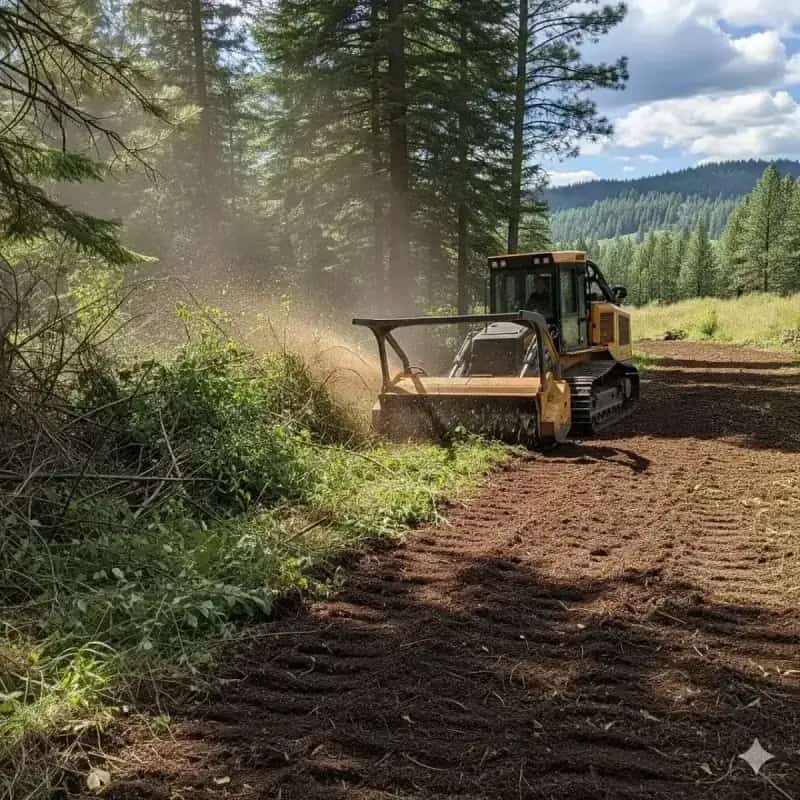
Forestry Mulching
Efficiently clear brush and invasive vegetation while returning nutrients to the soil.
Forestry Mulching Details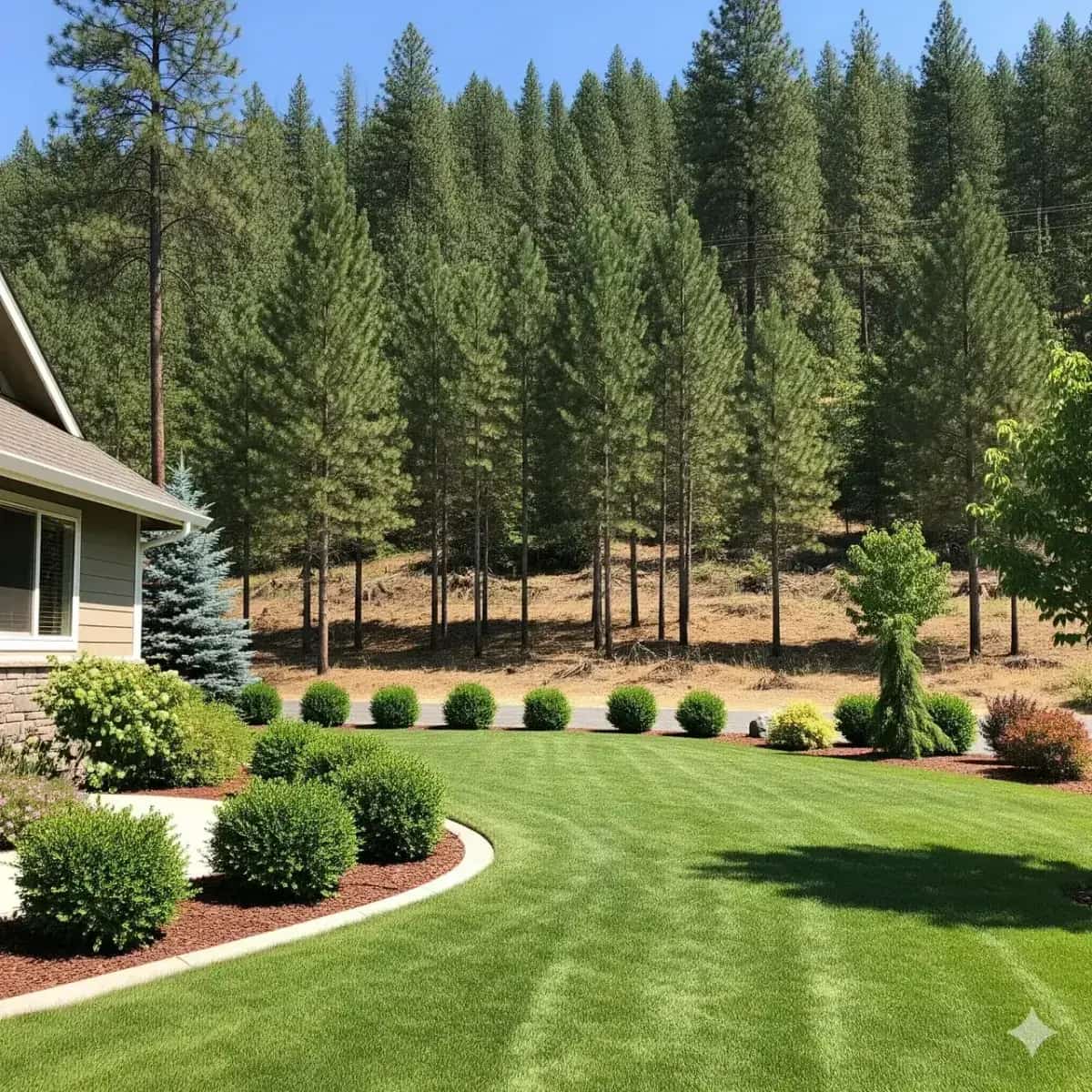
Defensible Space Creation
Strategic vegetation management to slow or stop wildfire spread toward structures.
Defensible Space Creation Details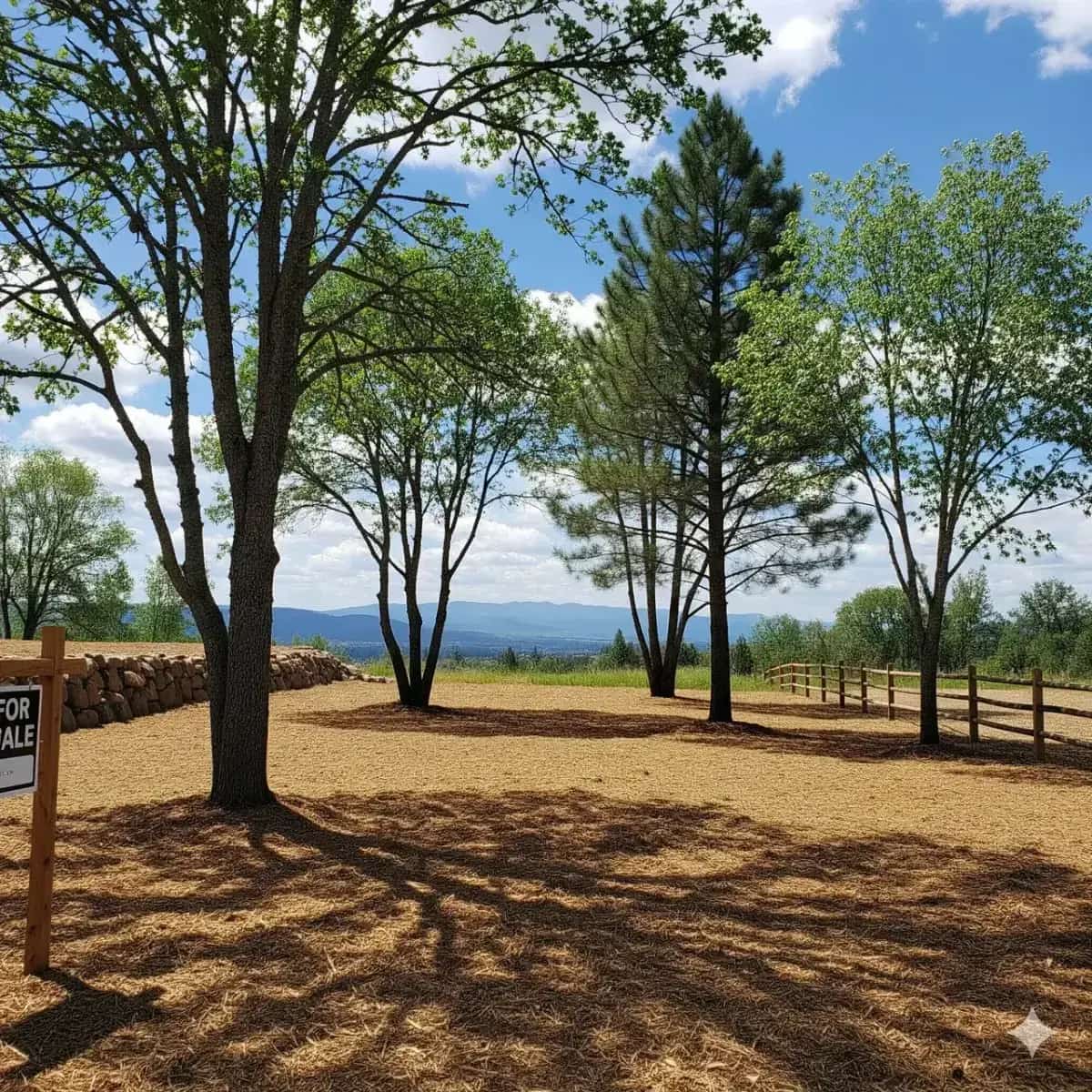
Lot Clearing
Prepare raw or overgrown lots for development, sale, or safer ownership.
Lot Clearing Details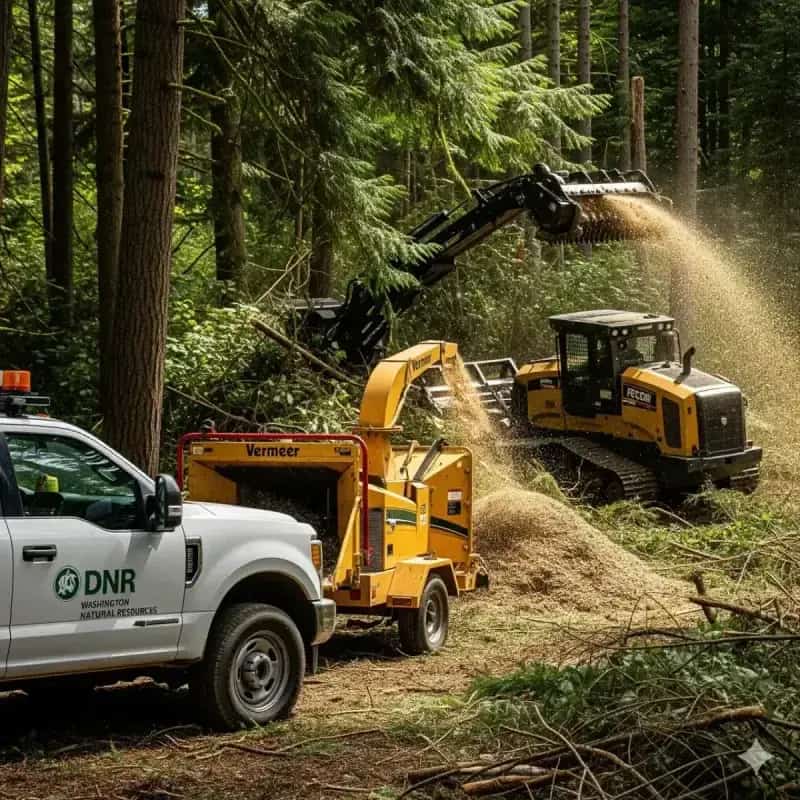
Washington DNR Cost-Share: Up to 50% Project Funding
Many wildfire mitigation, hazardous fuel reduction and forest health improvement projects in Washington qualify for Department of Natural Resources (DNR) cost-share assistance. If eligible, funding can offset a significant portion (often up to 50%) of approved treatment costs for forestry mulching, ladder fuel reduction and defensible space upgrades.
Eligible Focus Areas
- Ladder & surface fuel reduction
- Thinning crowded tree stands
- Defensible space enhancement
- Invasive brush removal
How We Help
- Preliminary eligibility discussion
- Scope alignment with DNR objectives
- Documentation & photo support
- Implementation & reporting
Owner Benefits
- Lower net project cost
- Strategic wildfire risk reduction
- Improved forest health & structure
- Support for long-term resilience
Availability & percentages depend on current DNR program funding, geographic priority and treatment type. Kevin Gow personally helps eligible landowners navigate the process—from initial scoping to completion documentation.
Why Forestry Mulching Beats Traditional Clearing Methods
Traditional dozing or cut-pile-burn methods require multiple equipment passes, strip away topsoil, increase erosion, and create disposal or smoke problems. Forestry mulching handles brush, ladder fuels, and invasive undergrowth in one controlled step — grinding everything in place and leaving a protective mulch layer on the ground.
Functional Advantages
- Stops fire from climbing into the tree canopy by removing ladder fuels
- Mulch protects soil from heat and moisture loss
- No hauling or disposal fees
- Less ground disturbance keeps soil healthy
- Better access lanes for future maintenance
Wildfire Mitigation Impact
Properly executed mulching breaks up dense undergrowth and slows volatile brush regrowth. This reduces flame height and removes the pathways that carry fire from the ground into the canopy. It also gives firefighters more room to work and creates safer conditions around structures.
When combined with defensible space zoning — from the 0–5 ft hardening zone near the home to the 100–200 ft fuel transition zone — mulching creates a layered, maintainable defense against wildfire.
Regional Wildfire Statistics
- Ponderosa pine stands now average 5–10 ft spacing, down from 20–40 ft historically (USFS)
- 78% of buildings in Spokane Valley's wildland-urban interface face significant wildfire risk (ClimateCheck, 2024)
- The 2023 Gray Fire destroyed 250+ structures in Spokane County (CWPP, 2025)
Soil & Ecological Considerations
Excessive scraping or repeated heavy equipment passes can strip the topsoil layer, compact root zones, and open the door for invasive plants. When mulch depth is managed properly, the wood chips and fine material break down naturally and enrich the soil. We monitor moisture to avoid rutting and control mulch depth to prevent thick mats that block air and water.
What to Expect During a Forestry Mulching Project
If you have never had forestry mulching done on your property, it helps to know what the process looks like from start to finish. Gow Forestry handles every project with the same methodical approach, whether it is a half-acre residential lot or a multi-acre rural parcel. Here is a day-of walkthrough from the homeowner's perspective.
Before the Crew Arrives
Kevin completes a site assessment before any work begins. During that visit, he walks the property with you, identifies the vegetation that needs to come out, and flags any trees or features you want to keep. He marks boundary lines, utility locations, and sensitive areas like septic fields or drainage swales. You will receive a clear scope of work and pricing before committing. On the morning of the project, all you need to do is make sure vehicles and loose items are clear of the work area.
Equipment & Operation
Forestry mulching uses a skid steer or tracked carrier equipped with a high-speed mulching head. The machine moves methodically through the treatment area, grinding standing brush, small trees, and woody debris into a fine mulch layer at ground level. The equipment is loud — comparable to heavy construction — and produces some dust during dry conditions. Kevin operates the machine himself, so you are working directly with the person who assessed your property and built the plan. There are no subcontracted crews or miscommunication about what should stay and what should go.
What You Will See Afterward
Most residential projects are finished in a single day. When the machine shuts off, you will see a clean, open landscape with a uniform layer of wood mulch covering the ground. The mulch is typically two to four inches deep, depending on the density of the original vegetation. Retained trees stand clearly spaced with clean sightlines between them. There are no brush piles, no stumps sticking up, and no bare dirt. The transformation is immediate — properties that were choked with undergrowth look park-like within hours.
Post-Project Maintenance
The mulch layer suppresses regrowth for the first one to two growing seasons by blocking sunlight and retaining moisture in the soil. Over time, the mulch breaks down and some regrowth will appear — primarily grasses and soft shoots that are easy to manage with a mower or string trimmer. Kevin recommends a maintenance check after the first full growing season and periodic follow-up every two to three years to keep your defensible space effective. Properties in high-growth areas or on south-facing slopes with more sun exposure may need attention sooner.
When to Consider Forestry Mulching
Not sure if your property needs mulching? These are the most common situations where Spokane-area landowners call us:
- Dense brush or small trees growing close to your home or outbuildings
- Overgrown lot that needs clearing before construction or landscaping
- Fire department or insurance company recommending defensible space
- DNR cost-share approval that requires fuel reduction treatment
- Access roads or driveways narrowed by encroaching vegetation
- Preparing property for sale and want a clean, maintained look
Forestry Mulching vs. Excavation, Dozing & Hand Clearing
When landowners in the Spokane area need to clear brush, reduce fuel loads, or prepare a lot for construction, they typically have four options: forestry mulching, excavation and dozing, hand clearing with chainsaw crews, or prescribed burning. Each method has trade-offs in cost, environmental impact, timeline, and suitability for different property types. Here is how they compare for most wildland-urban interface properties in the Inland Northwest.
Excavation & Dozing
Excavation uses heavy tracked equipment — bulldozers and excavators — to push, pile, and remove vegetation along with the root mass and topsoil. This method is effective for full-scale land clearing where the goal is bare ground, such as building pads and road construction. However, it strips the topsoil layer, compacts subsoil, and creates erosion-prone surfaces. Dozed sites require re-grading, often need imported topsoil for revegetation, and produce large debris piles that must be hauled off-site or burned. For wildfire mitigation, dozing is generally overkill: it removes the protective ground cover that slows regrowth and retains moisture. Costs are higher due to multiple equipment passes, hauling fees, and site restoration.
Hand Clearing & Chainsaw Crews
Hand clearing involves crews with chainsaws, brush cutters, and hand tools working through the vegetation manually. This method offers precision — crews can selectively remove specific trees and brush while leaving desirable species in place. It works well for small areas, sensitive sites near waterways, and properties where equipment access is limited. The downsides are speed and cost per acre: hand crews move slowly through dense brush and generate cut material that must be chipped, hauled, or piled and burned. Labor costs add up quickly on properties larger than a quarter acre, and the slash piles left behind create their own fire risk until they are processed. For most residential fuel reduction projects, hand clearing takes two to five times longer than mulching for comparable results.
Prescribed Burning
Prescribed fire is a legitimate land management tool used by agencies and large landowners to reduce fuel loads and restore fire-adapted ecosystems. When conditions are right, a controlled burn can treat large areas at low cost per acre. However, prescribed burning on residential WUI properties near Spokane is rarely practical. It requires a burn permit, favorable weather windows, trained personnel, smoke management plans, and sufficient buffer from structures and neighbors. Liability concerns, air quality regulations, and the risk of escape make burning a poor fit for most homeowner-scale projects. Fire departments and county agencies generally discourage open burning in developed WUI areas during fire season.
Why Mulching Wins for Most WUI Properties
Forestry mulching combines the speed of mechanical clearing with the soil protection of hand methods. The mulching head processes standing vegetation in a single pass, grinding brush and small trees into a ground-level mulch layer without disturbing the topsoil. There is no slash to haul, no burn pile to manage, and no bare dirt to erode. The mulch suppresses regrowth, retains soil moisture, and breaks down naturally over time. For the typical Spokane-area property — one to five acres of mixed brush and timber on moderate slopes — mulching delivers the best balance of cost, speed, environmental impact, and long-term fire protection.
Defensible Space & Home Ignition Zone Strategy
Effective defensible space isn't about clearing everything. It's about smart spacing, keeping the right trees, and removing materials that catch embers. We adjust zone distances based on slope, vegetation type, and structural weak points like vents, decks, and exposed foundations.
Zone 0–5 ft
Ignition hardening: remove combustible debris, relocate wood stacks, maintain non-flammable surfaces next to structures, and trim low-hanging branches.
Zone 5–30 ft
Lean and clean: thin dense shrubs, break up ladder fuels, manage mulch depth, space tree crowns apart, and improve access for firefighters.
Extended 30–100+ ft
Transition zone management: selective thinning, spacing adjustments, clear sightlines for access and evacuation, and phased fuel breaks where terrain requires them.
After treatment, we provide guidance on how often to inspect, when regrowth needs attention, and seasonal debris removal — so your defensible space stays effective over time. Learn how common landscaping oversights create fire vulnerability in our guide to wildfire threats beyond the brush line.
Inland Northwest Fire Seasons & Property Risk
The Inland Northwest has a fire season that stretches well beyond summer. Understanding the seasonal rhythm of wildfire risk helps property owners plan treatments at the right time and stay ahead of the most dangerous windows. Here is what Spokane-area landowners should know about fire behavior throughout the year.
Spring (March–May): Grass Fire Season
As snow melts and temperatures climb, dead grass and fine fuels dry out fast. Spring winds can push grass fires across open fields and into neighborhoods in minutes. Eastern Washington sees dozens of grass fires every April and May, especially along highway corridors and in areas where cheatgrass has invaded. Grass fires move quickly but burn at lower intensity, making them easier to control when defensible space is already in place. Spring is also the best time to schedule mulching work before summer restrictions take effect.
Summer (June–September): Peak Fire Season
This is when the Inland Northwest faces its highest wildfire risk. Extended drought, high temperatures, and low humidity dry out brush, timber, and forest litter. Lightning storms in July and August ignite fires across remote terrain that can grow rapidly when winds pick up. The 2023 Gray Fire in Spokane County demonstrated how fast a wind-driven fire can reach residential areas. Fuel reduction treatments completed before summer provide the greatest protection during these months. Equipment availability is tightest during peak season, so early scheduling matters.
Fall (October–November): Wind Events & Late-Season Risk
Many of the most destructive fires in the Pacific Northwest occur in fall, driven by strong east-to-west wind events that push dry air across already-parched fuels. These windstorms can gust above 50 mph and carry embers far ahead of the fire front. Fall fires are particularly dangerous because they catch communities off guard after a long summer of suppression fatigue. Properties that maintained defensible space through summer benefit most during these late-season events.
Winter (December–February): Planning & Preparation Window
Winter is the ideal time to plan and schedule forestry mulching projects. Snow cover and wet conditions make it a low-risk period for fire, and contractors have the most availability. Property owners can use winter to walk their land, identify problem areas, apply for DNR cost-share funding, and get on the schedule for spring treatment. Planning during the off-season means your property is protected before the next fire season begins.
Spokane County Terrain & Fuel Types
The Spokane area sits at the intersection of grassland, shrub-steppe, and mixed conifer forest. This diversity of fuel types means fire behavior varies dramatically across short distances. Ponderosa pine stands on south-facing slopes carry fire differently than dense brush draws or grass-covered ridgelines. Urban expansion into the wildland-urban interface has placed thousands of homes in areas where these fuel types converge. Site-specific mulching plans that account for local slope, aspect, and vegetation are essential for effective wildfire mitigation.
Insurance, Property Value & Wildfire Preparedness
Wildfire risk is no longer just a safety issue — it directly affects your home insurance premiums, your ability to get coverage at all, and the market value of your property. In recent years, insurers across the Western United States have tightened underwriting standards for homes in the wildland-urban interface, and the Spokane region is no exception.
Insurance Tightening in WUI Zones
Major insurers have pulled out of high-risk fire areas or dramatically increased premiums for properties without documented wildfire mitigation. Homes in the wildland-urban interface that lack defensible space face the highest premium increases — or outright non-renewal. Some carriers now require photographic evidence of fuel reduction, maintained clearance zones, and ember-resistant construction features before issuing or renewing policies. Getting ahead of these requirements with professional mulching and defensible space work can make the difference between affordable coverage and being forced into a state-backed plan of last resort.
Documentation & Proof of Mitigation
One of the most practical benefits of professional forestry mulching is documentation. Kevin provides before-and-after records of the work completed on your property. This documentation serves multiple purposes: it satisfies insurer requirements for defensible space verification, supports DNR cost-share reimbursement applications, and creates a permanent record that adds value if you ever sell the property. Homeowners who invest in documented wildfire mitigation are in a stronger negotiating position with insurance companies and real estate buyers alike.
Property Value Impact
Overgrown, fire-prone land is a liability at sale time. Buyers in the Spokane market increasingly ask about wildfire risk, defensible space compliance, and insurance availability before making offers. Properties with maintained defensible space, clear access, and documented fuel reduction work present better to buyers and appraisers. In contrast, properties with dense brush up to the structure, no visible fire mitigation, and high perceived risk can sit on the market longer and sell for less. Clearing and maintaining your land is an investment that pays back in both safety and property value.
Pre-Sale & Long-Term Benefits
Whether you are preparing to sell or planning to stay for decades, wildfire mitigation work compounds in value over time. The mulch layer from forestry mulching breaks down gradually, enriching the soil and suppressing regrowth. Maintenance visits every few years keep the treatment effective without starting from scratch. For sellers, a well-maintained property with documented fire mitigation stands out in a market where buyers are increasingly fire-aware. For long-term owners, the peace of mind and reduced insurance costs make the initial investment worthwhile many times over.
Frequently Asked Questions
How much does forestry mulching cost in Spokane?+
Pricing depends on acreage, density, terrain, and access. Most residential projects in the Spokane area range from a few hundred to several thousand dollars. Kevin provides free on-site assessments with a clear quote before any work begins.
How long does a forestry mulching project take?+
Most residential lots are completed in one day. Larger rural properties or dense timber stands may take two to three days. Because mulching is a single-pass process, there are no return trips for hauling or burning.
Is forestry mulching better than brush clearing or dozing?+
For wildfire mitigation and land clearing in the Inland Northwest, mulching is usually the better choice. It processes vegetation in place, protects topsoil, leaves no burn piles, and avoids the erosion that comes with dozing. The mulch layer also suppresses regrowth and retains soil moisture.
Do I need a permit for forestry mulching?+
In most cases, no. Forestry mulching on private residential land in Spokane County typically does not require a permit. However, properties near waterways, wetlands, or critical areas may have local requirements. Kevin checks site conditions during the free assessment.
What areas does Gow Forestry serve?+
We serve 16 communities across Spokane County, Stevens County, Pend Oreille County, Kootenai County (Idaho), and Bonner County (Idaho). Common service areas include Green Bluff, Deer Park, Mead, Elk, Chattaroy, Colbert, Newman Lake, Liberty Lake, and Spokane Valley.
Local. Experienced. Committed to Wildfire Safety.
Gow Forestry is a locally owned forestry mulching and wildfire mitigation company focused on protecting Inland Northwest properties. We combine professional-grade equipment with deep knowledge of defensible space best practices and WA DNR cost-share programs to deliver reliable vegetation management.
Every project starts with safety, environmental stewardship, and long-term resilience. We're not just clearing land — we're helping safeguard homes, families, access and evacuation routes, and the areas where communities meet wildland while preserving desirable trees.
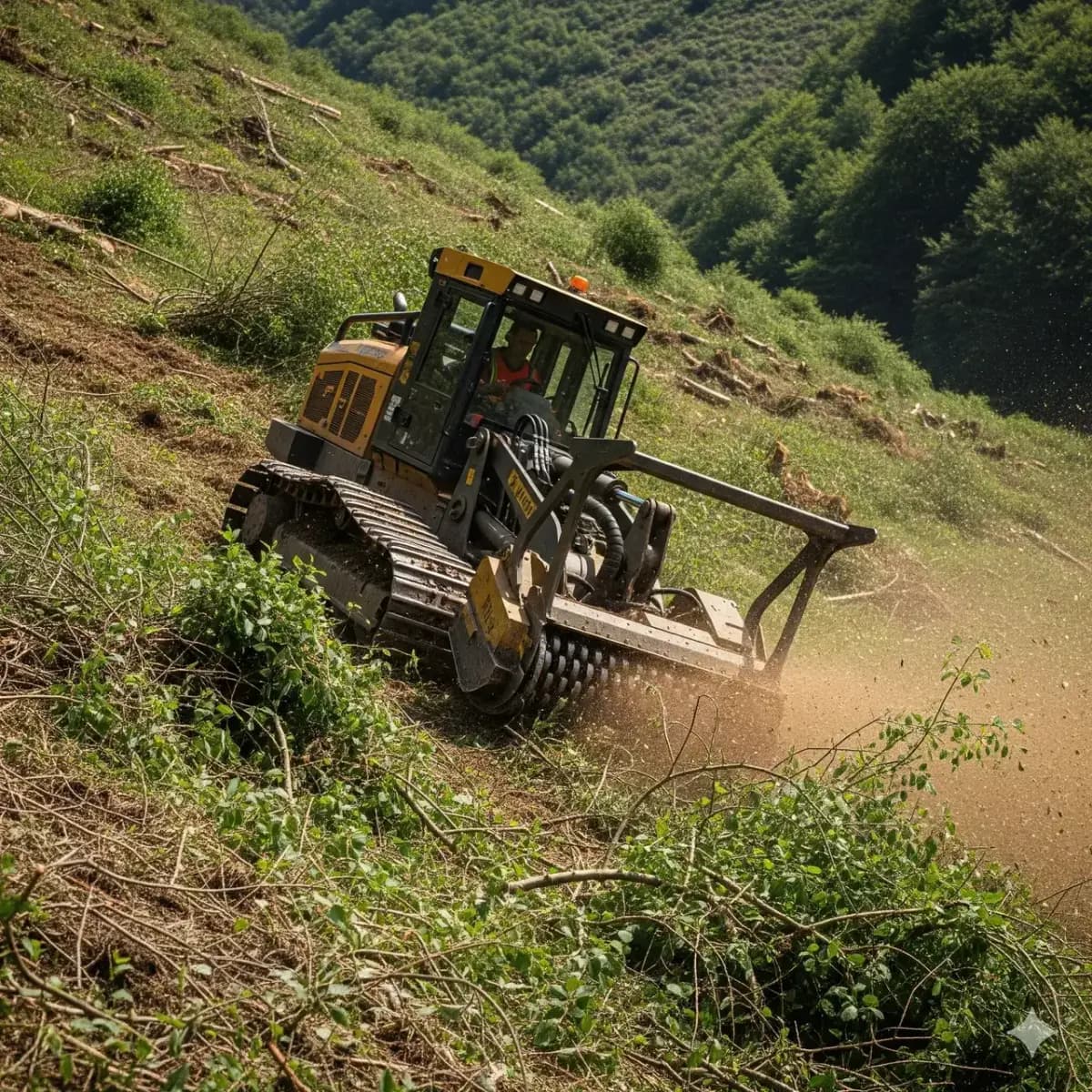
Ready to Create a Safer Property?
Get a free on-site assessment and custom quote. No pressure—just expert guidance.