Spokane, Washington
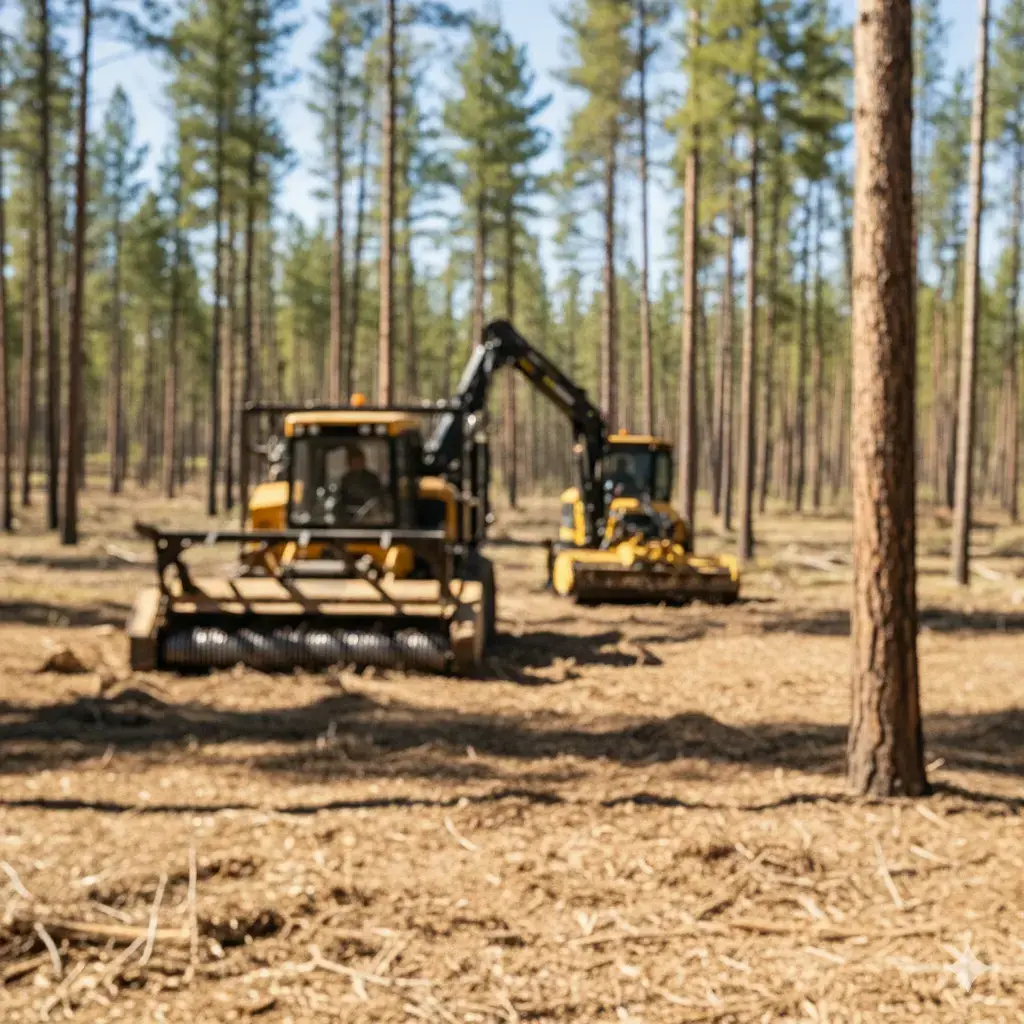
Forestry Mulching in Spokane, WA
Spokane's WUI edges and wooded neighborhoods need fast ladder fuel reduction and defensible space upgrades. Forestry mulching delivers a clean, single-pass solution without burn piles or haul-off.
Forestry Mulching in Spokane, Washington
Gow Forestry provides professional forestry mulching services throughout Spokane, Washington. The city sits at roughly 1,900 feet of elevation in a transition zone between the Columbia Basin grasslands and the coniferous forests that climb toward Mount Spokane at 5,883 feet. Ponderosa pine and Douglas fir dominate the local canopy, with over a century of fire suppression pushing tree spacing from a historical 20–40 feet down to just 5–10 feet apart. The August 2023 Gray Fire destroyed more than 250 structures and caused one fatality, demonstrating how quickly wildfire spreads through Spokane's overstocked wildland-urban interface.
Spokane Terrain & Wildfire Risk
Spokane's landscape ranges from the relatively flat valley floor along the Spokane River to hillside neighborhoods that climb above 2,500 feet in the northeast. The Little Spokane River corridor adds riparian vegetation to the mix, creating a mosaic of grassland, deciduous trees, and dense conifer stands. South Hill Bluff, the Palisades, and Beacon Hill are recognized WUI hotspots where homes sit directly against heavy fuel loads.
Spokane County Fire Districts #3, #4, #5, #8, and #9 serve different sections of the metro area, and each district emphasizes defensible space as a first line of defense. The Spokane County Community Wildfire Protection Plan, updated in the 2025–2026 cycle, identifies overstocked conifer stands as the primary structural risk factor across most residential zones.
Mixed stands of ponderosa pine, Douglas fir, aspen, and birch create multi-layered fuel beds that allow ground fires to ladder into the canopy. Our guide to hidden wildfire threats explains how these fuel connections develop in Spokane backyards. Reducing these ladder fuels through selective mulching restores healthier stand density and gives fire crews defensible perimeters to work from during an event.
Common Forestry Mulching Projects in Spokane
- Ladder fuel reduction on WUI lots — Removing dense understory between homes and adjacent forest on South Hill, Beacon Hill, and Palisades properties.
- Overgrown acreage cleanup — Clearing brush-choked parcels along the Little Spokane River corridor where years of unchecked growth have created continuous fuel beds.
- Driveway and emergency access clearing — Widening narrow access roads so fire apparatus can reach properties in hillside neighborhoods northeast of the city.
- Defensible space zone creation — Building Zone 0–2 compliant defensible space buffers around homes per the Spokane County CWPP guidelines.
- New construction site prep — Clearing wooded lots for residential builds in developing areas without disturbing topsoil or requiring haul-off.
- Fence line and property boundary clearing — Mulching overgrown vegetation along property edges to reduce fire spread paths between neighboring parcels.
Why Spokane Property Owners Choose Mulching Over Traditional Clearing
Spokane County enforces burn bans during the dry summer months when wildfire risk peaks, which rules out pile burning for most residential fuel reduction work. Hauling brush off-site adds cost and requires staging equipment on properties that often have limited access. Forestry mulching processes vegetation in a single pass, grinding brush, saplings, and small-diameter trees into a protective mulch layer that stays on-site to stabilize soil and suppress regrowth.
On Spokane's hillside lots, steep grades make it impractical to drag material downhill for chipping or loading. The mulching machine works directly on slopes, following planned routing that avoids damaging mature ponderosa pines and preserves the root systems that hold hillside soils in place. The result is a cleaner, faster project with no smoke, no hauling trucks, and no waiting for burn permit windows.
DNR Cost-Share Eligibility in Spokane County
Spokane County property owners may qualify for up to 50% reimbursement on eligible forest health treatments through the Washington Department of Natural Resources cost-share program. The DNR Northeast Region administers applications for this area, and eligible treatments include non-commercial thinning, forestry mulching, slash disposal, and defensible space creation. Kevin Gow walks landowners through the entire application process from initial eligibility review through final reimbursement.
Use our DNR cost-share calculator to estimate your potential reimbursement, or contact the DNR Northeast Region directly at ne_loa@dnr.wa.gov for program details.
Explore Our Services
Learn more about our wildfire mitigation and land management services across the Inland Northwest.
Spokane Forestry Mulching FAQ
Do you work on Spokane hillside and WUI lots?+
Yes. We plan machine routing around slopes, access constraints, and defensible space priorities common on Spokane's WUI edges including South Hill Bluff, the Palisades, and Beacon Hill neighborhoods.
Is burning required after mulching?+
No. Mulching processes vegetation in place, so you avoid burn piles, smoke, and the burn permit timing restrictions that Spokane County enforces during dry summer months.
How quickly can you clear overgrown parcels in Spokane?+
Production depends on density and access, but most Spokane residential lots take one to three days. A site visit gives a realistic timeline and a clean, single-pass plan.
Will mulching help with defensible space?+
Yes. Mulching reduces ladder fuels and creates safer spacing for Zone 0–2 defensible space upgrades recommended in the Spokane County Community Wildfire Protection Plan.
Does Spokane County qualify for DNR cost-share reimbursement?+
Yes. The DNR Northeast Region administers a cost-share program that reimburses up to 50% of eligible treatments including forestry mulching, thinning, and defensible space creation. Kevin helps with the full application process.
What happened during the 2023 Gray Fire and how does mulching help prevent similar losses?+
The August 2023 Gray Fire destroyed over 250 structures and caused one fatality in the Spokane area. Homes with maintained defensible space and reduced ladder fuels had significantly better survival rates. Mulching creates exactly that kind of fuel-reduced buffer around structures.
Nearby Service Areas
We also provide forestry mulching and wildfire mitigation services in these nearby communities:
Ready to Mulch Your Spokane Property?
Get a clear plan and a clean finish from a local operator who knows Spokane terrain.
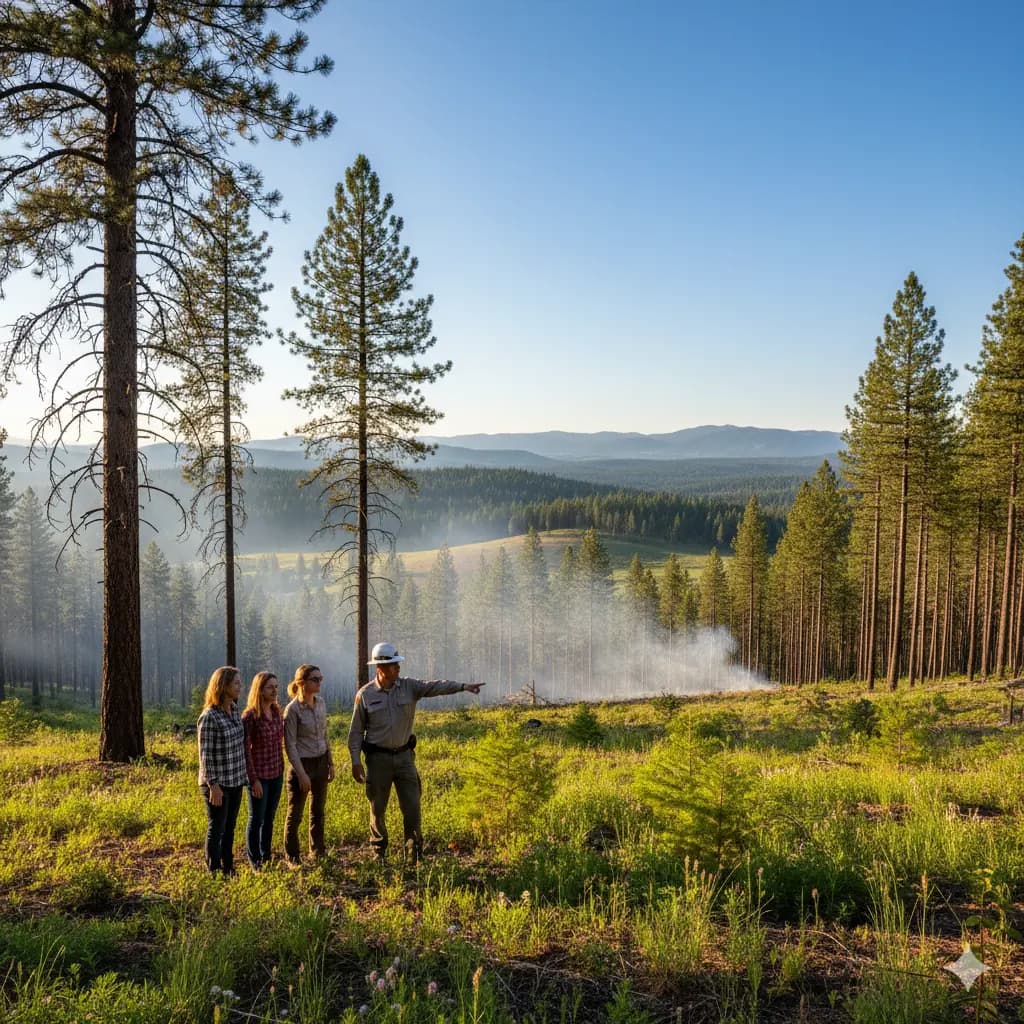
WA DNR Cost-Share: The Complete Landowner Guide
Everything you need to know about Washington's DNR cost-share program—eligibility, covered activities, application steps, and how to maximize your reimbursement for wildfire mitigation work.
50%
Funding Up To
12+
Eligible Activities
Free
Application Help