Forestry Knowledge & Wildfire Mitigation Hub
This Knowledge Hub provides practical, region-specific guidance on wildfire mitigation, defensible space and forestry mulching for property owners in Spokane, Green Bluff, Deer Park, Mead, Chattaroy, Liberty Lake, Newman Lake, Diamond Lake, Newport and surrounding Inland Northwest communities. Whether you own a rural acreage, a WUI-adjacent home or a development parcel, these resources explain the science, strategy and local context behind effective vegetation management.
Topics covered include ladder fuel identification, defensible space zone planning, forestry mulching equipment and technique selection, DNR cost-share eligibility, soil and ecological considerations, and seasonal maintenance scheduling. Each guide is written for Inland Northwest conditions — mixed conifer fuel profiles, steep terrain, wind-driven ember exposure and the unique challenges of the wildland–urban interface.
Latest Guides & Deep Dives
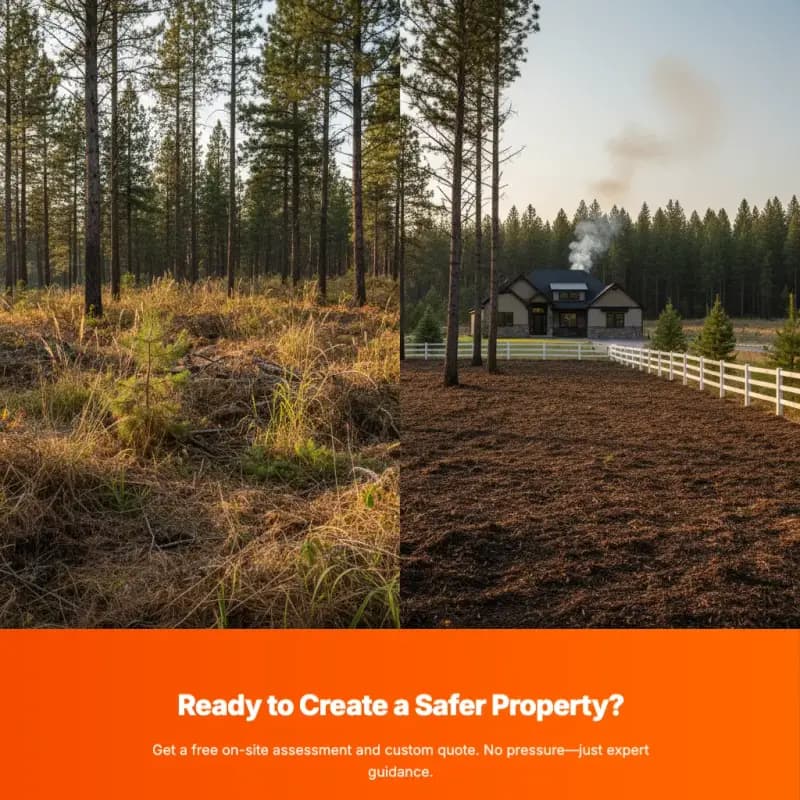
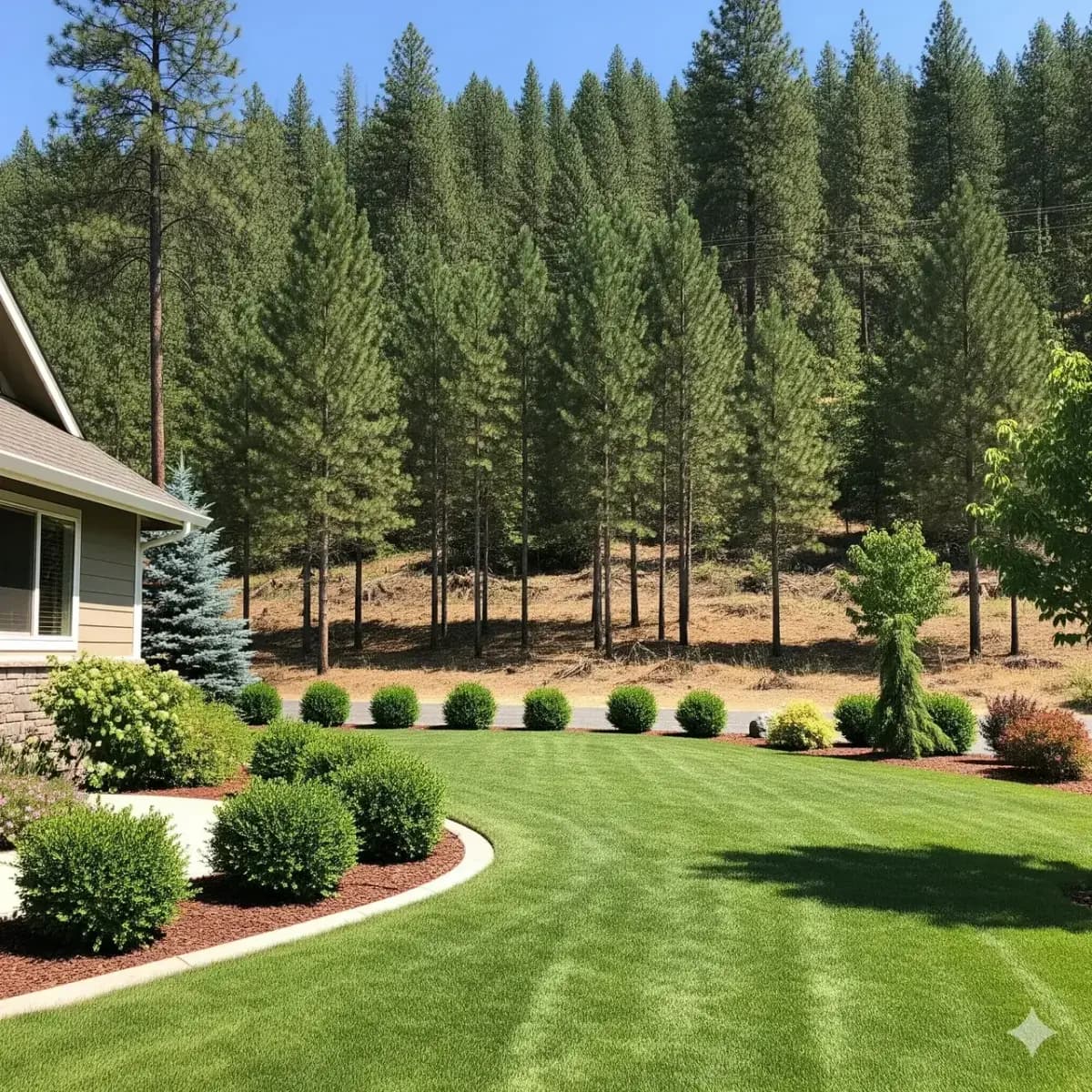
Defensible Space Fundamentals
- Zone 0 ember exclusion & non-combustible perimeter
- Zone 1 ladder fuel removal & canopy spacing
- Zone 2 horizontal continuity disruption
- Maintenance intervals & seasonal priorities
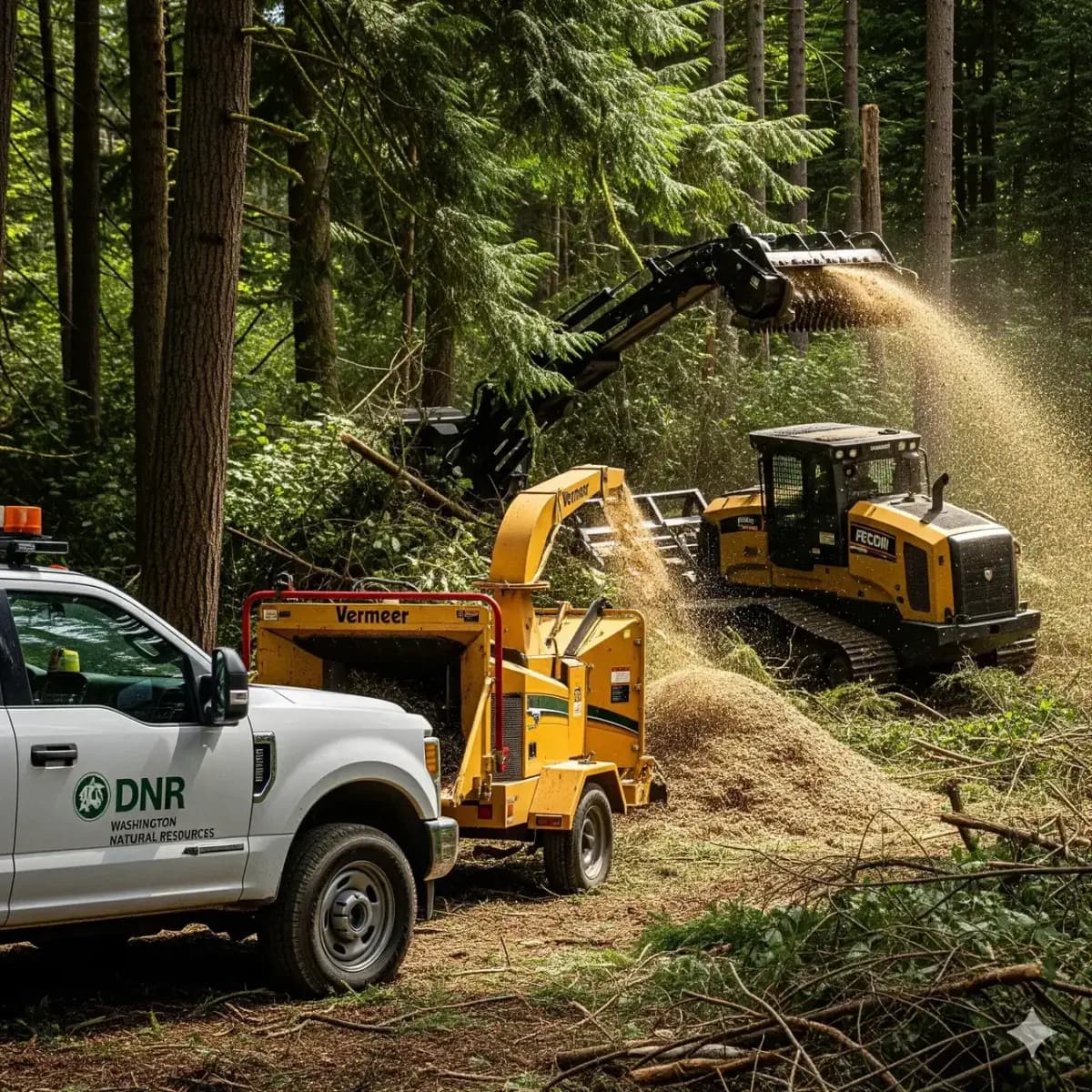
Forestry Mulching Advantages
- Single-pass fuel & invasive reduction
- Minimal soil disturbance compared to dozing
- Moisture retention & erosion moderation
- Equipment selection (drum vs disc)
Fuel Load Strategy
- Vertical vs horizontal continuity
- Ladder fuel escalation risk
- Crown spacing & ingress access lines
- Hybrid manual + mechanized approach
Inland Northwest Context
- Mixed conifer transitional fuels
- Slope-driven spread corridors
- Wind exposure & ember travel
- Regional service coverage
How to Use This Knowledge Hub
Start with the featured mitigation guide to understand baseline fuel structure principles. Then review defensible space implementation and equipment considerations before soliciting quotes. Reference topic groupings as a checklist during seasonal walkthroughs (spring debris removal, midsummer ladder fuel reassessment, late-season ingress/egress clearance). Pair education with a professional site assessment for objective prioritization.
Quick Answers
Common forestry and wildfire mitigation questions answered directly.
What is forestry mulching?
Forestry mulching is a land-clearing method that uses a single machine to cut, grind and spread vegetation as a protective mulch layer. It eliminates the need for hauling, burning or separate equipment passes.
What is defensible space?
Defensible space is the managed area around a structure where vegetation is modified to reduce wildfire flame lengths and ember exposure. It is typically organized in concentric zones extending from the building outward to 100 ft or more.
What are ladder fuels?
Ladder fuels are vegetation layers (shrubs, low branches, dense saplings) that allow a ground-level fire to climb into tree canopies. Removing ladder fuels is one of the most effective ways to prevent crown fire.
How often should defensible space be maintained?
Most properties benefit from an annual inspection and light maintenance. Regrowth, needle accumulation and new debris can restore fuel continuity within 1–2 seasons if left unaddressed.
Does forestry mulching damage the soil?
When properly managed, forestry mulching preserves soil structure better than dozing or scraping. The mulch layer protects against erosion, moderates temperature and supports microbial activity.
What is the DNR cost-share program?
Washington's Department of Natural Resources offers cost-share funding that can reimburse up to 50% of qualified wildfire mitigation treatments, including thinning, pruning and defensible space work.
Can forestry mulching handle steep terrain?
Yes. Professional mulching equipment is designed to operate on slopes. Machine routing, approach angle and mulch depth are adjusted based on grade and soil conditions to maintain stability.
What is the wildland–urban interface (WUI)?
The WUI is the zone where homes and other structures meet or intermix with undeveloped wildland vegetation. Properties in the WUI face elevated wildfire risk and benefit most from defensible space and fuel reduction.
Need a Professional Fuel Reduction Assessment?
Turn knowledge into measurable wildfire resilience. Get a structured on-site evaluation and prioritized treatment roadmap.