
Forestry Mulching, Defensible Space & Lot Clearing in the Inland Northwest
Gow Forestry provides professional, environmentally conscious land management services across Spokane, Green Bluff, Deer Park, Mead, Chattaroy, Liberty Lake, Newman Lake, Diamond Lake, Newport, Elk, Blanchard & surrounding Inland Northwest communities. Our approach reduces wildfire ignition pathways, improves usability, enhances long-term ecosystem resilience and protects your investment.
Core Services
Whether you are preparing a lot for construction, creating code-aligned defensible space, or reducing accumulated ladder fuels and invasive understory, our specialized equipment and field-tested process deliver predictable, high-quality results with minimal soil disturbance. Every project starts with an on-site assessment focused on objectives, fuel profile, slope, access limitations and ecological considerations—so you get clarity before work begins. See ourservice areasfor typical coverage.
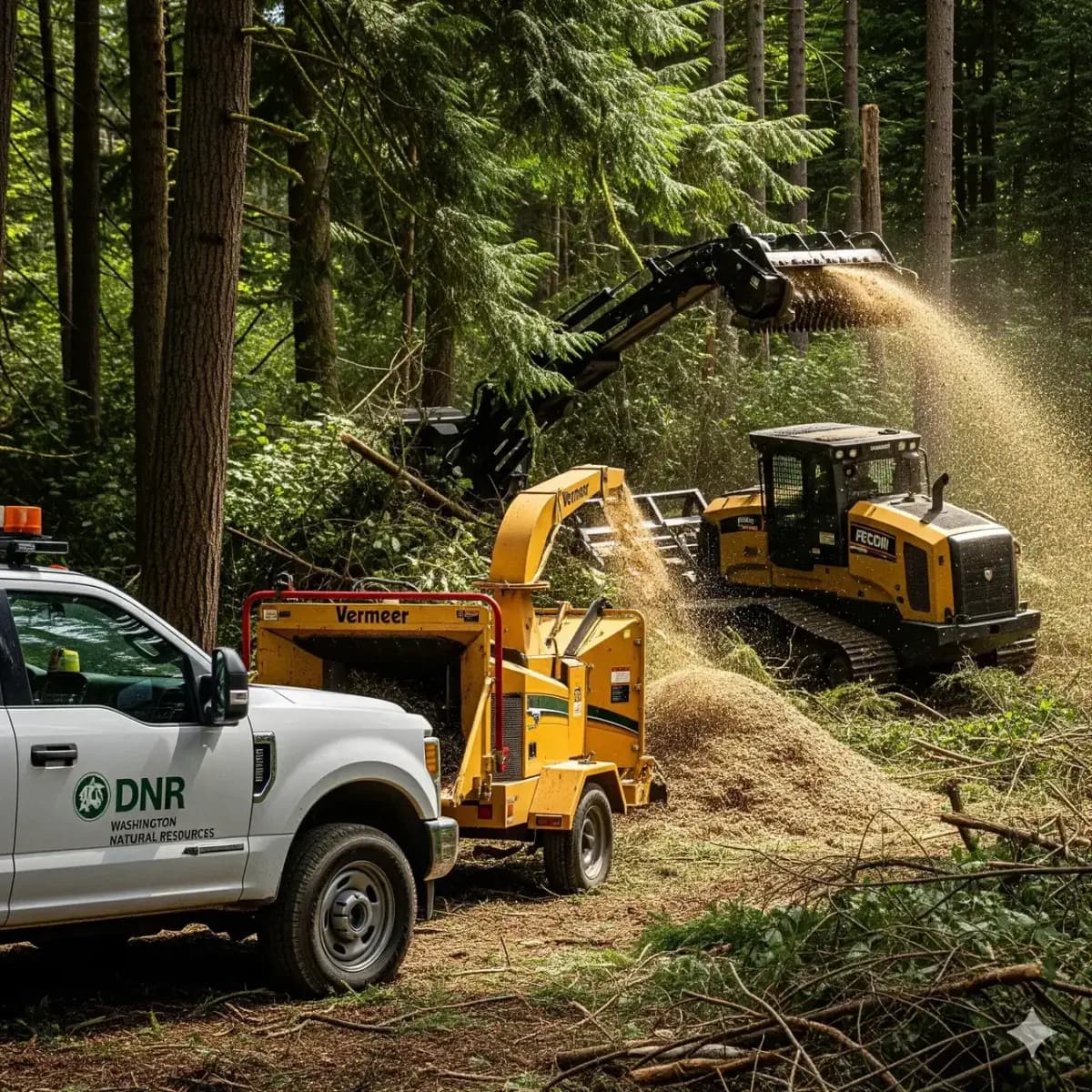
Eligible wildfire mitigation & forest health treatments may qualify for Washington State Department of Natural Resources (DNR) cost-share funding. We assist with alignment, documentation & sequencing so you can leverage available support.
Why Property Owners Choose Mulching Over Traditional Clearing
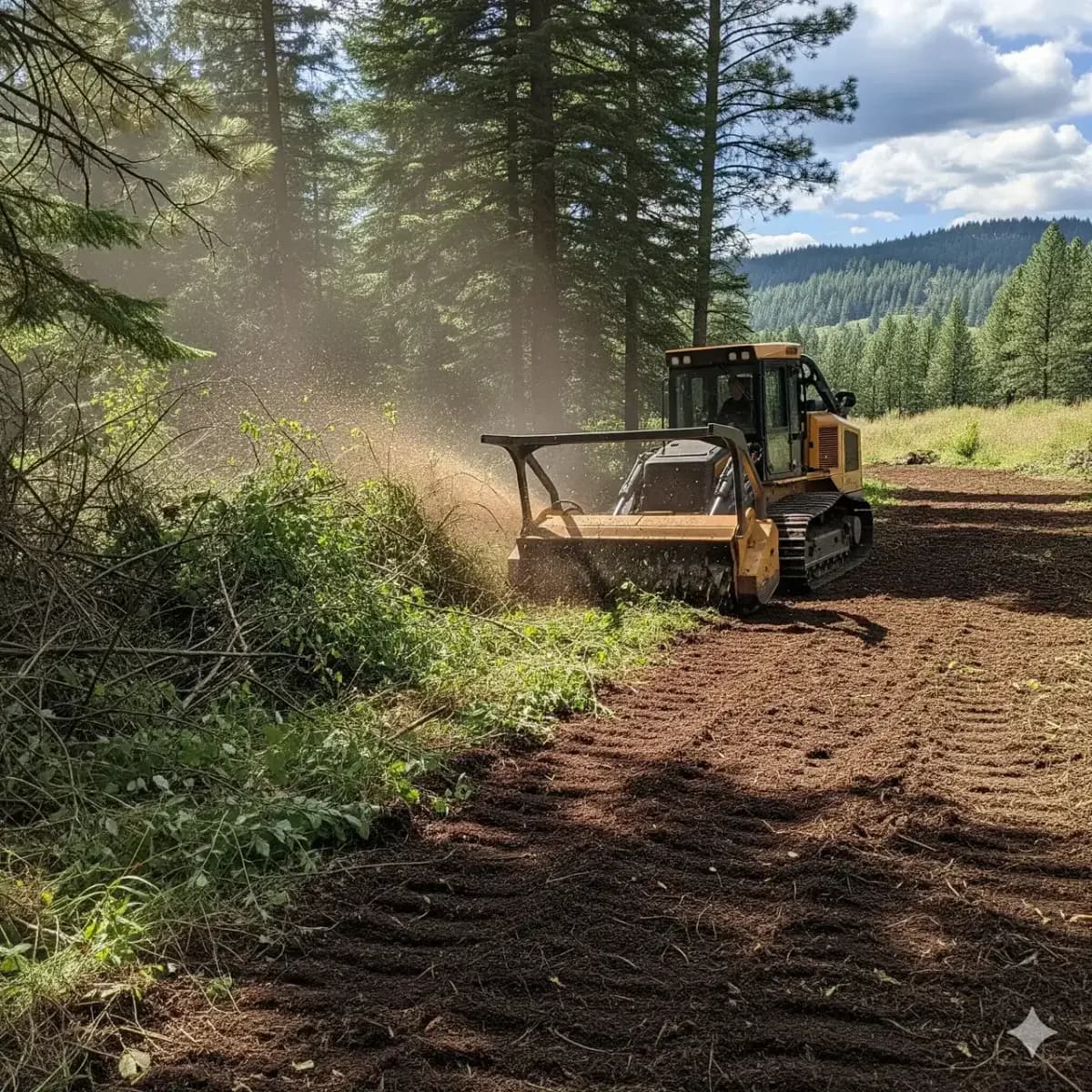
Traditional dozing or cut–pile–burn cycles can expose bare mineral soil, accelerate erosion, and create disposal challenges. Forestry mulching consolidates those steps into a single controlled pass; vegetation is mechanically reduced and evenly distributed as a moisture-retentive, erosion-reducing mulch layer. The result: healthier soils, reduced hauling, improved microbial activity and a cleaner visual finish.
- Lower overall disturbance footprint & fewer site scars
- Immediate fuel load reduction & ladder fuel interruption
- Mulch layer suppresses regrowth and preserves soil moisture
- Often faster & more cost-efficient than multi-crew workflows
Holistic Wildfire Resilience Strategy
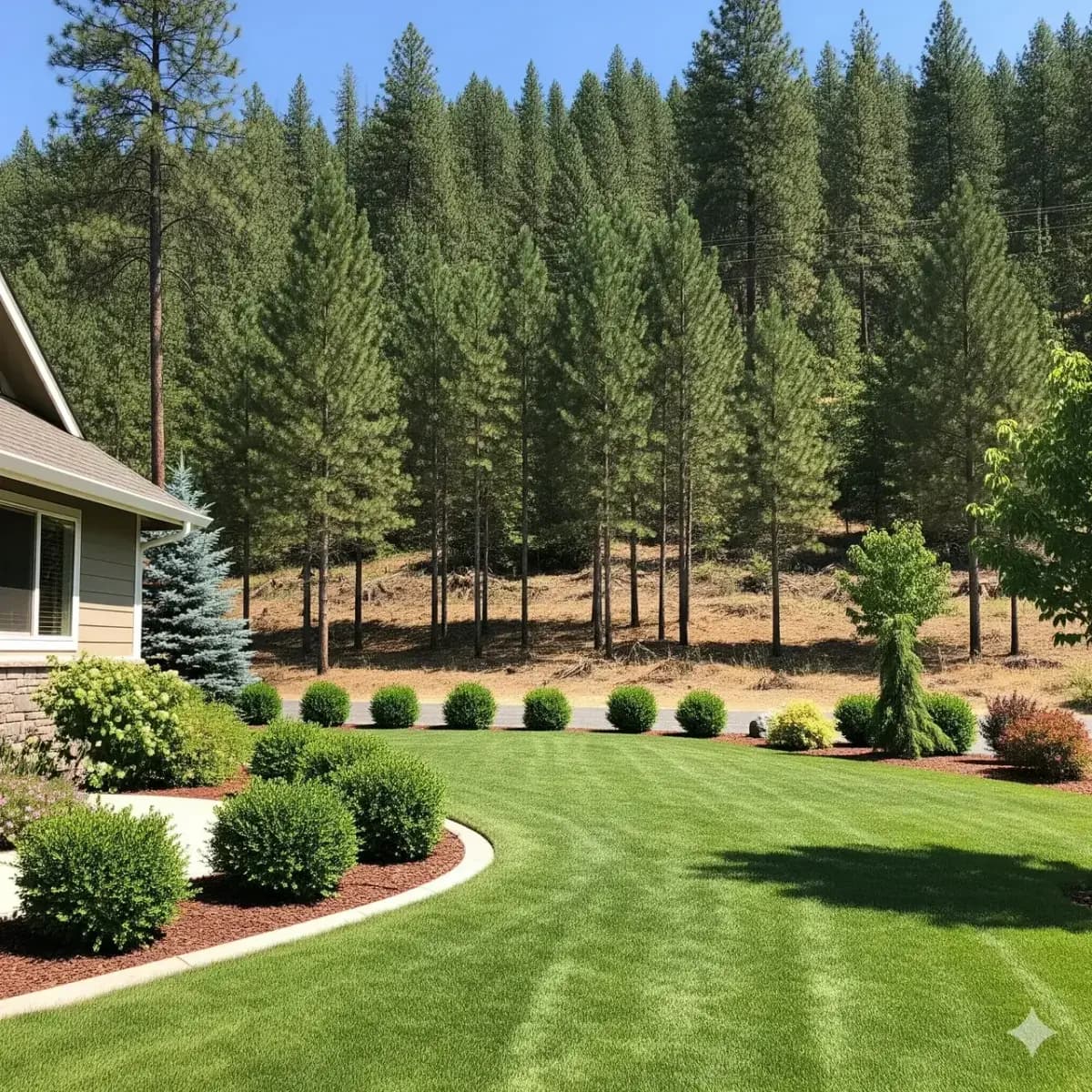
Best-practice wildfire mitigation integrates zone-based defensible space (0–5 ft ignition hardening through extended 100–200 ft fuel transition) with strategic mulching, removal of ladder fuels, crown spacing improvements and maintenance scheduling. We align with NFPA concepts, local Firewise recommendations and region-specific fuel models to give you a long-term roadmap—not just a one-off clearance pass.
We document baseline conditions (photos + notes) and can stage phased implementation for budget or seasonal timing constraints, prioritizing the highest ignition vulnerabilities first.
Service Comparison At a Glance
| Service | Primary Goal | Best For | Key Advantage | Typical Cost Range |
|---|---|---|---|---|
| Forestry Mulching | Fuel load & invasive understory reduction | Brushy acreage, overgrown lots, fuel ladders | Single-step, minimal disturbance, mulch layer | Contact for estimate |
| Defensible Space | Structure ignition risk reduction | Residences, outbuildings, HOA common areas | Standards-aligned zoning & continuity breaks | Contact for estimate |
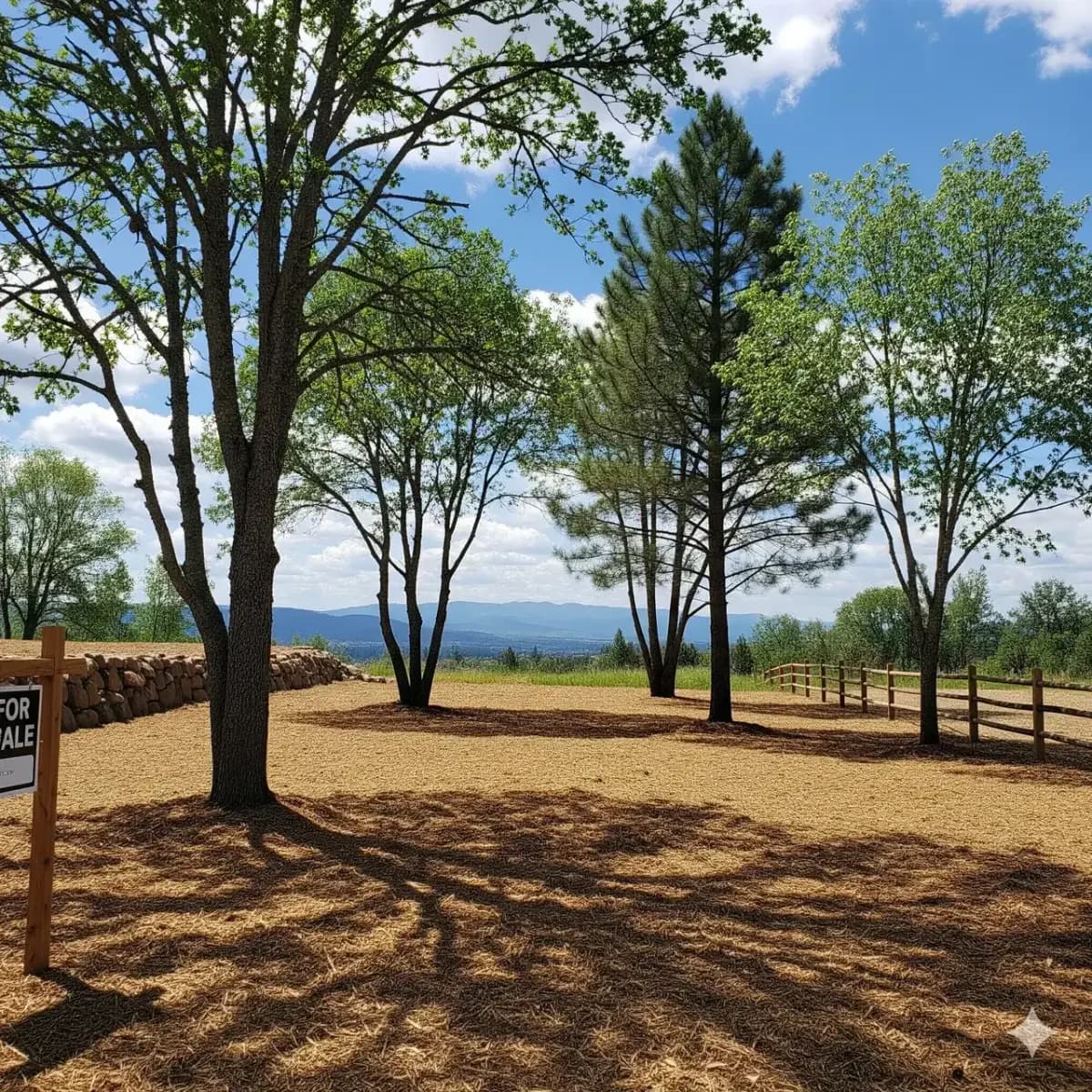
| Lot Clearing | Site preparation & usability enhancement | New builds, resale prep, ag & recreational land | Clean visual finish – ready for next trades | Contact for estimate |
Which Service Do You Need?
If dense brush, saplings or accumulated fuels surround your home or outbuildings, start with forestry mulching to reduce fuel load across the property. If your primary concern is protecting structures from wildfire ignition, defensible space creation targets the critical zones closest to buildings with standards-aligned spacing and fuel breaks. If you are preparing a parcel for construction, resale or agricultural use and need a clean, buildable surface, lot clearing removes overgrowth while preserving soil structure. Many projects combine two or more services — call Kevin at (509) 991-8296 for a free site assessment and he will recommend the right approach based on your property, goals and budget.
Service Areas & Local Focus
We proudly support property owners, small farms, rural estates, HOAs and recreational parcels throughout Spokane County and adjacent cross-border communities. Typical project locations include Spokane, Spokane Valley, Green Bluff, Deer Park, Mead, Chattaroy, Colbert, Liberty Lake, Newman Lake, Diamond Lake, Newport, Elk and Blanchard. Not on the list? Reach out—if you are in the greater Inland Northwest wildland–urban interface, we will evaluate feasibility or recommend a trusted partner.